Commercial Moves in Chelsea
If you are planning commercial moves in Chelsea, you likely already know that relocating a business in this part of London is not the same as moving in a quieter suburban area. Chelsea has its own rhythm: elegant period buildings, busy high streets, mews properties, mixed-use premises, boutique offices, creative studios, clinics, showrooms, and hospitality venues that all need careful planning. Whether you are moving a small office, a retail unit, or a larger commercial workspace, the right approach can save time, protect your equipment, and reduce disruption for staff and customers.
Local businesses in Chelsea often need a move that works around tight access, limited loading space, controlled building entry, and busy roads. That is why many customers look for a team with real local knowledge, not just vehicles and boxes. A well-managed business relocation in Chelsea should be planned around your opening hours, building rules, the type of items you need to move, and any special handling requirements for furniture, stock, IT systems, archives, or delicate equipment.
From Kings Road and Sloane Street to the surrounding streets near South Kensington, Knightsbridge, and Belgravia, commercial properties in and around Chelsea come with different logistical challenges. A good move service should understand those realities and help you keep operations running as smoothly as possible. If you are comparing options, this page explains what is included, how the process works, what affects cost, and why a local team can make all the difference.
Why businesses in Chelsea need a tailored moving service

Commercial relocations are rarely just about lifting and transporting furniture. They often involve coordination between staff, building management, landlords, contractors, and sometimes clients or customers. In Chelsea, where commercial premises may sit inside listed buildings, modern office blocks, mixed residential developments, or tucked-away mews properties, there is often no one-size-fits-all method. The move has to fit the premises, the access arrangements, and the business itself.
Commercial moves in Chelsea often need an extra level of planning because even a small delay can affect trading hours, client appointments, deliveries, and staff productivity. A retail move may need to be completed outside opening hours. A clinic may need a careful sequence for moving records and treatment rooms. An office may need IT downtime kept to a minimum. A restaurant, gallery, or design studio may need specialist handling for fragile items, stock, or equipment. The aim is not just to move things, but to move them in a way that keeps your business functioning.
Common commercial move types in Chelsea
Different businesses in Chelsea need different moving support, and it helps to work with a team that can adapt to each setting. Typical move types include:
- Office relocations for small firms, agencies, consultancies, and professional practices
- Retail moves for boutiques, showrooms, and specialist shops
- Hospitality moves for cafés, bars, restaurants, and catering spaces
- Clinic and practice moves for healthcare and wellness businesses
- Studio and creative workspace moves for designers, photographers, and makers
- Storage and archive transfers for businesses that need secure item handling
Each of these move types has different timing needs and packing requirements. For example, office furniture may be straightforward to dismantle and rebuild, but filing systems, electronics, and confidential materials must be managed carefully. Retail stock may require inventory checks, while hospitality equipment may need specialist care to avoid damage. The more a mover understands your sector, the less stress you face on moving day.
What is included in a commercial move
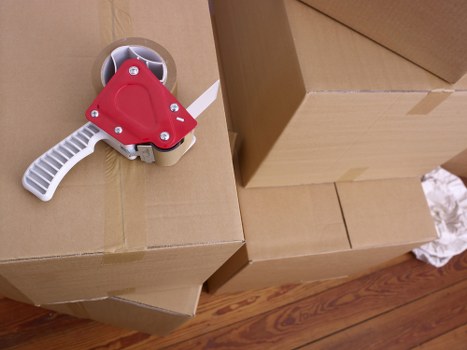
A reliable commercial moving service should provide more than transport alone. The best results usually come from a structured process that covers packing, loading, transport, unloading, and placement at the new site. In Chelsea, where access can be challenging and timing often matters, a well-organised approach is especially important.
Depending on the size and complexity of your move, the service may include full packing support, dismantling and reassembly of office furniture, secure handling of sensitive items, and careful placement of equipment in your new premises. Some businesses only need transport, while others need a much more hands-on service from start to finish. The key is to choose a moving plan that matches your schedule and your operation.
Typical inclusions may cover the following:
- Pre-move planning and move-day coordination
- Packing materials for furniture, files, and fragile items
- Labelling and room-by-room organisation
- Disassembly and reassembly of desks, shelving, and modular furniture
- Safe loading and unloading by trained movers
- Protection for floors, lifts, and high-traffic areas where needed
- Transport of equipment, stock, paperwork, and workplace contents
- Placement of items according to your floor plan or instructions
Some businesses prefer a phased move, especially if they are relocating over a weekend or outside core trading hours. This can reduce disruption and allow critical departments to resume work faster. If your business needs a staged approach, make that clear from the beginning so the move can be structured appropriately.
Special handling needs
Certain items often need additional care. These may include computers, monitors, printers, servers, artwork, mirrors, display fixtures, specialist machinery, medical items, and confidential documents. A careful team will know how to protect these items during transit and how to load them in a way that reduces movement or impact.
For Chelsea premises with narrow staircases, period features, or restricted lift access, special handling becomes even more important. Moving a heavy boardroom table, for example, may require dismantling before removal. Likewise, delicate fixtures in a boutique or gallery may need padding, wrapping, and a measured loading plan. The right movers will assess these needs before moving day rather than trying to solve problems on the fly.
How commercial moves in Chelsea are planned

Planning is the backbone of a successful business relocation. In Chelsea, that usually starts with understanding the site itself. Is the property on a busy road with limited stopping space? Is there a loading bay? Are there time restrictions, concierge requirements, or building rules? Do you need to protect shared corridors, lifts, or entrances? These details shape the move plan and help avoid delays.
A good move usually begins with a simple assessment of what needs to be moved, when it must happen, and how the new space is arranged. This might involve a site visit, photos, a video walkthrough, or a detailed list of items. The aim is to identify any risks early, such as awkward access, fragile equipment, oversized furniture, or items that need to be moved in a particular order.
Once the plan is in place, the moving team can organise packing materials, schedule the right vehicle size, and decide whether extra labour or specialist handling is needed. For businesses in Chelsea, this preparation can be the difference between a smooth transition and a stressful day of delays.
Practical planning considerations
Before your move, think through the following points:
- Timing: Can the move be done after hours, on a weekend, or in phases?
- Access: Is there parking, loading space, or lift access at both premises?
- Furniture: What needs dismantling, and what can stay assembled?
- Technology: Who will disconnect and reconnect IT equipment?
- Records: Are files, confidential papers, or archived items involved?
- Stock: Do products need counting, grouping, or special packing?
- Permissions: Are there building rules or management requirements to follow?
One of the biggest benefits of local commercial removals in Chelsea is the ability to plan around the area’s realities. Streets can be busy, access can be tight, and timings matter. A mover with experience in the local area is more likely to anticipate these issues and prepare accordingly.
When a phased move makes sense
Some businesses do not want everything moved at once. A phased approach can work well if you need to keep part of the business open while another section relocates. It may also help if your new premises are not ready in every room or if your team needs time to set up systems gradually. This is common for offices, practices, and retail spaces that rely on continuity.
Preparing your business for moving day

Good preparation can make moving day much easier. The more organised your team is beforehand, the faster items can be packed, loaded, and placed at the new address. This is particularly useful in Chelsea, where time on the road and access windows may be limited.
Start by deciding who is responsible for each part of the move. In many businesses, one person acts as the main contact, while department leads handle their own areas. This keeps communication clear and avoids confusion about what is going where.
It also helps to prepare your premises in a practical way. Label boxes clearly, separate items by room or department, and identify anything fragile, confidential, or priority-based. If staff are packing their own desks, give them simple instructions so that they do not overfill boxes or leave loose items behind. The more orderly the packing, the smoother the unpacking will be.
Preparation checklist
- Back up digital files before equipment is moved
- Tell staff what time to finish packing and clear their work areas
- Label boxes by room, department, or priority level
- Remove personal items from desks and storage units
- Secure confidential documents and sensitive materials
- Empty and defrost fridges if applicable to the business type
- Disconnect only equipment that your team has been told to handle
- Make sure both sites are accessible on the agreed moving day
For businesses in period buildings or upper-floor units, it may help to protect hallways and make sure staircases are clear. If your premises sit in a busy shared building, let other occupants know about the move if required by management rules. In Chelsea, a considerate approach matters because many commercial premises share entrances, corridors, or loading points with neighbours.
What to do with furniture and fittings
Office desks, reception counters, shelving, and meeting tables may need to be dismantled before transport. If you have original fittings, bespoke joinery, or items that are difficult to move, make a note of them in advance. Some businesses choose to leave built-in pieces behind and move only portable items, while others want a complete relocation. There is no single answer; it depends on the new layout and your budget.
Clear decisions up front help reduce confusion on the day. If something is staying, moving, or being replaced, write it down. That way, the movers can focus on the right items and avoid wasting time on unnecessary handling.
Pricing factors for commercial relocations

Business customers often want to know what affects the cost of a move. While exact prices vary depending on the job, the main factors are usually straightforward. Size, distance, access, packing requirements, and timing all play a role. Chelsea moves may also involve additional time due to parking, access restrictions, or the need to navigate period properties and busy streets.
Rather than focusing only on the lowest number, it is better to look at the overall value of the service. A careful, well-planned move can reduce damage risk, save employee time, and help you reopen or resume work more quickly. For many businesses, that is worth much more than a rushed or poorly organised move.
Common pricing factors include:
- The amount and type of furniture, stock, and equipment to be moved
- Whether packing materials or packing labour are needed
- The number of movers required
- Access at both locations, including stairs, lifts, and parking
- The distance between the old and new premises
- Whether the move is outside normal hours or on a weekend
- Special handling for fragile, heavy, or high-value items
- Any dismantling, reassembly, or setup work required
If your business needs a quote, be as detailed as possible. A clear inventory, photos of key items, and access notes will help produce a more accurate estimate. For commercial removals in Chelsea, this is especially useful because the layout of the building often affects the job more than the distance travelled.
Why accurate details matter
When moving office furniture or equipment, missing details can cause unnecessary delays. For example, a boardroom table may not fit through a doorway unless it is dismantled. A lift may be too small for a display cabinet. An evening move might need extra lighting or extended labour. Providing the right details early helps the movers plan properly and gives you a smoother experience.
Requesting a free quote is often the best next step if you are still comparing options. A clear quote process allows you to understand the likely scope of work and decide what level of service is best for your business.
Why choose a local company for Chelsea business relocations
Local knowledge can make the move easier
Chelsea has streets and properties that can be challenging for unfamiliar teams. Loading restrictions, narrow access, and busy traffic patterns can all affect how a move is carried out. A local company that regularly works in the area is more likely to know how to plan around those practical issues.
That local understanding can be useful for commercial customers moving between Chelsea and nearby districts such as Kensington, Knightsbridge, South Kensington, Belgravia, Westminster, and Fulham. It can also help when coordinating deliveries, temporary storage, or phased moves between separate sites.
Local movers are often better placed to adapt to the specific layout of your premises. For example, they may know how to manage mews access, service entrances, basement storage, or upper-floor office spaces. They are also more likely to understand the pace of the area and how to work discreetly when businesses need minimal disturbance.
Benefits of working with a Chelsea-based team
- Better planning for busy roads and restricted access
- More realistic timing for loading and unloading
- Experience with mixed property types and older buildings
- Support for local offices, retail units, and hospitality venues
- Flexible scheduling around business hours where possible
- Faster response for surveys, planning, and move-day changes
Commercial moves in Chelsea also benefit from a team that understands how businesses operate in central London. When a move needs to be discreet, efficient, and carefully timed, local awareness is not a luxury; it is a practical advantage.
What to look for when choosing a mover
Look for clarity, organisation, and experience with business premises. Ask how they handle fragile items, how they manage access challenges, and how they coordinate the day. A good mover should be able to explain their process in plain language and tailor the service to your business rather than offering a generic solution.
Areas covered around Chelsea
Commercial clients in Chelsea often need moves within the area as well as to nearby locations. That may include short moves between premises, relocations to larger office space, or transfers into storage or satellite sites. A local business moving service can usually help with nearby routes and surrounding districts where the same access and parking issues may appear.
Typical areas covered may include:
- Chelsea
- South Kensington
- Knightsbridge
- Belgravia
- Fulham
- Westminster
- Kensington
- Knightsbridge and surrounding commercial streets
If your premises are close to a busy shopping street, a residential mews, or a shared office building, the move can often still be completed with the right planning. The main thing is to build enough time into the schedule and make sure the moving team knows what they are dealing with.
Many customers also need help with inter-building moves, where the business stays within the same local area but changes address to improve layout, footprint, or accessibility. These shorter moves may sound simpler, but they still require careful handling, especially when the property has stair access, limited parking, or strict concierge procedures.
Commercial and mixed-use premises
Chelsea contains many properties that do not fit neatly into one category. Some buildings combine shops with flats above, offices with ground-floor reception areas, or treatment rooms with shared access corridors. These mixed-use settings require a considerate approach that respects both business operations and neighbouring residents. A local team should be prepared to work cleanly, quietly, and efficiently.
This matters particularly for businesses operating early in the morning or later in the evening, when residents are nearby and building management may have specific requirements. Planning ahead reduces friction and helps the move stay on schedule.
How to make your business move less disruptive
Every business wants less downtime. The best way to reduce disruption is to plan the move around your operations. In some cases, it may be wise to move non-essential items first and keep essential services running for as long as possible. In other cases, a full stop for a short period is the cleanest option. The right answer depends on your sector, your team, and your premises.
Here are practical ways to keep disruption down:
- Choose a moving day that avoids your busiest trading times where possible
- Prepare a clear floor plan for the new premises
- Label priority equipment and essential files separately
- Assign one person to make decisions during the move
- Pack non-essential items early and keep essentials accessible
- Arrange IT and telecoms support in advance if needed
- Set up the new site so staff can get working quickly
For offices, the first items to restore are often computers, phones, and key workstations. For retail spaces, display units, stock, and payment areas may be the priority. For clinics, secure records, treatment spaces, and hygiene-sensitive items may matter most. A smart move plan focuses on what your business needs to function, not just on where the boxes go.
Book your service now if you already have a date in mind. Early booking gives you more flexibility, especially during busy periods when many businesses want to relocate at the same time.
FAQs about commercial moves in Chelsea
How far in advance should I arrange a business move?
It is best to start planning as early as possible, particularly if your premises have access restrictions or if you need a move outside standard hours. For larger or more complex jobs, more lead time helps with planning, packing, and coordination.
Can a move be done outside business hours?
In many cases, yes. Evening, overnight, or weekend moves are often a good option for businesses that want to reduce disruption. Availability depends on the scope of the move and the access arrangements at both premises.
Do you move office furniture and equipment together?
Yes, commercial relocations often involve a combination of desks, chairs, cabinets, IT equipment, files, and other workplace items. The move plan should reflect the full range of items so that everything is packed and handled correctly.
What if my building has limited access?
Limited access is common in Chelsea, especially in period buildings and busy commercial streets. This should be factored into the planning stage so that the right vehicle size, staffing level, and timing can be arranged.
Can you help with fragile or specialist items?
Many commercial moves include fragile items such as monitors, artwork, display pieces, glass shelving, or specialist equipment. Let the mover know about anything delicate so they can prepare suitable packing and handling methods.
Do I need to pack everything myself?
Not necessarily. Some businesses prefer a full packing service, while others only need transport and loading support. The level of help depends on your budget, schedule, and the amount of work you want your staff to handle.
What should I do before the movers arrive?
Make sure access is clear, boxes are labelled, valuable or confidential items are secured, and staff know their responsibilities. It is also helpful to keep a contact person available during the move for any last-minute questions.
If you are unsure what level of support you need, request a free quote and describe your premises, timing, and the type of items involved. That makes it easier to match the service to your business.
Making the right choice for your Chelsea relocation
Choosing a mover for your business is about more than hiring a van. You need a service that respects your time, understands your property, and handles your items with care. In Chelsea, where many premises have access quirks and strict timing windows, experience and preparation are especially valuable.
Whether you are moving a boutique office, a retail space, a wellness studio, a restaurant, or a shared commercial unit, the right team should make the process feel organised and manageable. A good moving service should help you reduce downtime, protect your assets, and settle into the new premises with as little stress as possible.
Commercial moves in Chelsea should be approached with professionalism, flexibility, and local awareness. If you are ready to plan a move, contact a trusted local team, talk through your requirements, and arrange a quote based on your business needs. Contact us today to take the next step and make your relocation simpler, safer, and better organised.
Quick recap of what matters most
- Careful planning around Chelsea access and parking challenges
- Flexible move options for offices, shops, clinics, and hospitality spaces
- Clear preparation to reduce downtime and confusion
- Special handling for furniture, stock, equipment, and confidential items
- Local knowledge that helps the move run smoothly
Book your service now if you want a practical, local moving solution for your business premises in Chelsea or nearby areas. A well-run move is not just about transport; it is about helping your business continue with confidence.